Blog
Blog
Introducing a White Paper on the Benefits of Permanent Supportive Housing in Texas

As communities look for long-term, realistic ways to address homelessness, permanent supportive housing (PSH) is getting more attention than ever. Yet as interest in PSH grows, so does the need for clearer data, stronger coordination, and a better understanding of what it takes to make these housing communities successful.
If you attended our 2025 Permanent Supportive Housing Symposium last month, you may have heard about our latest piece of long-form writing — a white paper on PSH and the benefits this type of housing could have for Texans. We’ll review the highlights of the paper.
A quick Look at The Data
Titled “Strengthening Housing Stability: How the Texas Supportive Housing Institute Fosters Permanent Supportive Housing Development,” the paper begins by going over the basics of PSH and where it fits in the overall spectrum of affordable housing.
Essentially, PSH is housing for chronically homeless individuals that pairs affordable housing with access to supportive services such as health care, case management, career training, employment resources, etc.
An individual experiencing chronic homelessness, as defined by Texas Homeless Network, is a person with a disabling condition who has either been continuously homeless for a year or more OR has had at least four instances of homelessness in the past three years. This population of individuals is often best served by the long-term stability and services provided by PSH.
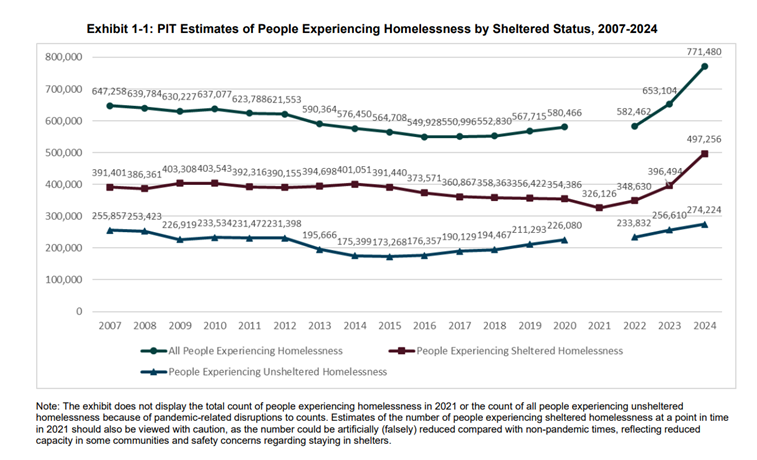 And the need for solutions to homelessness is great on a national level, with national Point-in-Time count numbers showing a continued rise in the rates of homelessness. But in Texas, local Homeless Management Information System data from Texas Homeless Network shows that rates of homelessness are dropping while, at the same time, Texas’ Housing Inventory Count shows that there has been a continuous rise in the total number of beds available to individuals experiencing intermittent and chronic homelessness.
While there’s no one solution to the issue of homelessness, ensuring that there’s sufficient housing to house homeless individuals seems like it may be making a difference in Texas. The white paper also digs deeper into a few case studies that show the ways PSH is making a difference in the stability of clients’ lives and how it delivers cost savings to communities when chronically homeless individuals are stably housed.
Supporting Developers: tsahc’s Texas Supportive Housing Institute
How do we ensure that organizations that are hoping to build permanent supportive housing find success in building and maintaining high-quality housing? Let’s take a closer look.
In September 2020, we launched our very first Texas Supportive Housing Institute with the goal of supporting affordable housing developers as they navigated the process of creating a development team and creating PSH. After the first iteration, we brought the Institute back in 2021, 2022, and 2024.
For the white paper, we invited graduates of these past Institutes to participate in roundtable interviews to share data, experiences, and lessons learned. We also took a look at the total number of units created by Institute graduates across each year’s Institute.
What we found was that graduating teams felt supported by the Institute’s combination of intensive training on PSH best practices, personalized technical assistance, peer-to-peer learning, and follow-up grant funding.
Because the Institute works with development teams at no cost and ensures that graduates leave with a set of deliverables that will be key to the success of their planned development, Institute graduates felt like the training helped their development plans become clearer, and it made sure that all development partners were on the same page when it came to meeting their clients’ needs.
Additionally, many graduates commented that their participation in the Institute helped them make connections with future financing partners or even with future partners of their development teams such as trusted local service providers, property managers, and/or developers.
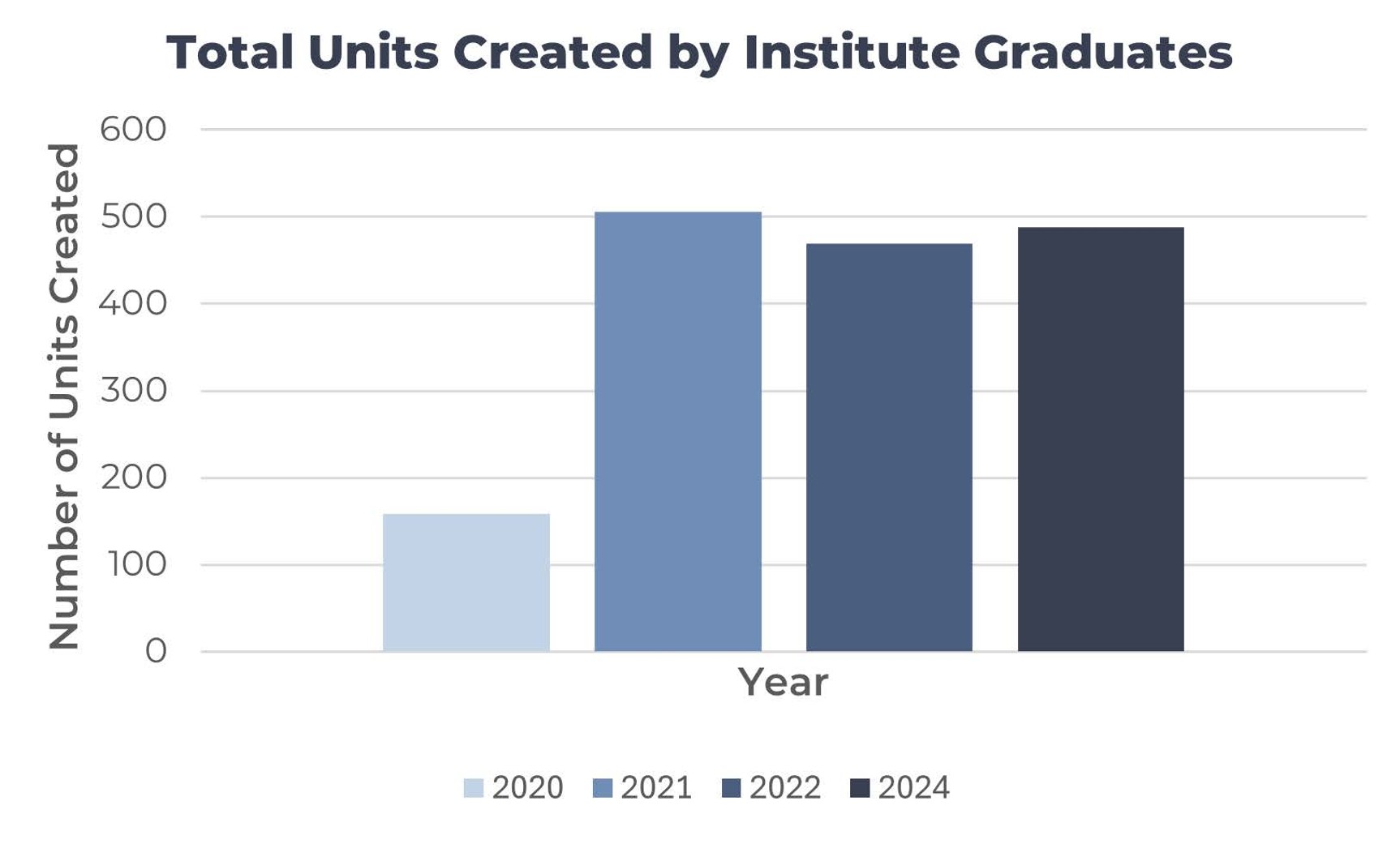
We also cannot discount the fact that Institute graduates across multiple years have successfully contributed a hefty number of units towards our state’s total PSH inventory! With these numbers in mind, it demonstrates that initiatives like the Institute catalyze the creation of PSH by ensuring that development teams receive all the support they need to succeed, including training, a built-out set of deliverables, technical assistance, industry connections, and follow-up grants.
For more details on how TSAHC has been collaborating with generous supporters to support the creation of PSH and further details about the benefits PSH provides, we’d recommend looking through the full white paper.
On the House blog posts are meant to provide general information on various housing-related issues, research and programs. We are not liable for any errors or inaccuracies in the information provided by blog sources. Furthermore, this blog is not legal advice and should not be used as a substitute for legal advice from a licensed professional attorney.
Related Posts


Subscribe to Our Newsletter
Sign up to have TSAHC news & updates delivered to your inbox.