
Blog
Blog
Who Qualifies for the Homes for Texas Heroes Program?

In honor of National Homeownership Month, TSAHC is taking the opportunity to spread the word about our Homes for Texas Heroes Program.
Authorized by the Texas Legislature, the Program provides fixed rate mortgage loans, down payment assistance and mortgage interest tax credits to professionals in Texas working tirelessly to help keep our communities strong.
This week in the blog, we’ll take a closer look at the individual professions that qualify for the Program. Click here to view more detailed eligibility requirements for each profession.
 PUBLIC SCHOOL TEACHERS
- Teachers
- Teacher Aids
- School Librarians
- School Counselors
- School Nurses
POLICE OFFICERS
- Peace Officers
- Public Security Officers
FIRE FIGHTERS AND EMS PERSONNEL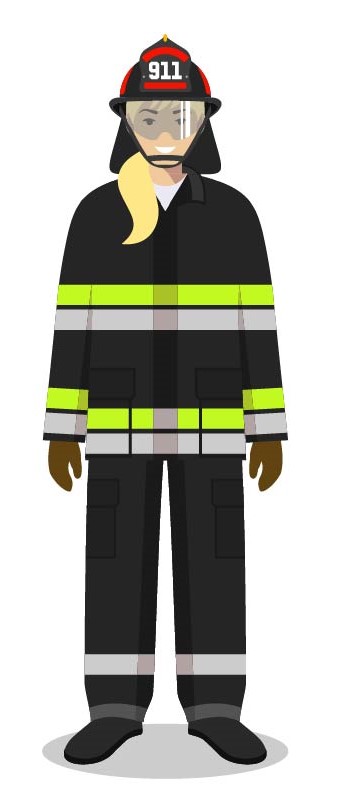
- Fire Fighters
- Emergency Care Attendants
- Emergency Medical Technicians (EMTs)
- Licensed Paramedics
 CORRECTIONS OFFICERS
- Corrections Officers
- Juvenile Corrections Officers
- County Jailers
VETERANS
- Veterans
- Active Military
How To Apply
The first step is to take our quick online Eligibility Quiz. This quiz will tell you whether you’re eligible for our assistance.
If you are eligible, the quiz will then direct you to contact a participating lender in your area. The lender will help you fill out the application. You will not submit anything directly to TSAHC.
You will also be required to complete an approved home buyer education course before closing on your home. And while we don’t require you to work with a specific REALTOR®, you can also use this search tool to find a REALTOR® familiar with our programs.
For Lenders and REALTORS®
TSAHC has created new co-brandable flyers to help you promote Homes for Texas Heroes to each profession.
- Teachers (pdf)
- Police Officers (pdf)
- Fire Fighters and EMS Personnel (pdf)
- Corrections Officers (pdf)
- Veterans (pdf)
On the House blog posts are meant to provide general information on various housing-related issues, research and programs. We are not liable for any errors or inaccuracies in the information provided by blog sources. Furthermore, this blog is not legal advice and should not be used as a substitute for legal advice from a licensed professional attorney.
Related Posts


Subscribe to Our Newsletter
Sign up to have TSAHC news & updates delivered to your inbox.